

Understanding Grooves of Confirmation
How Structures Stabilize Work (When They Do)

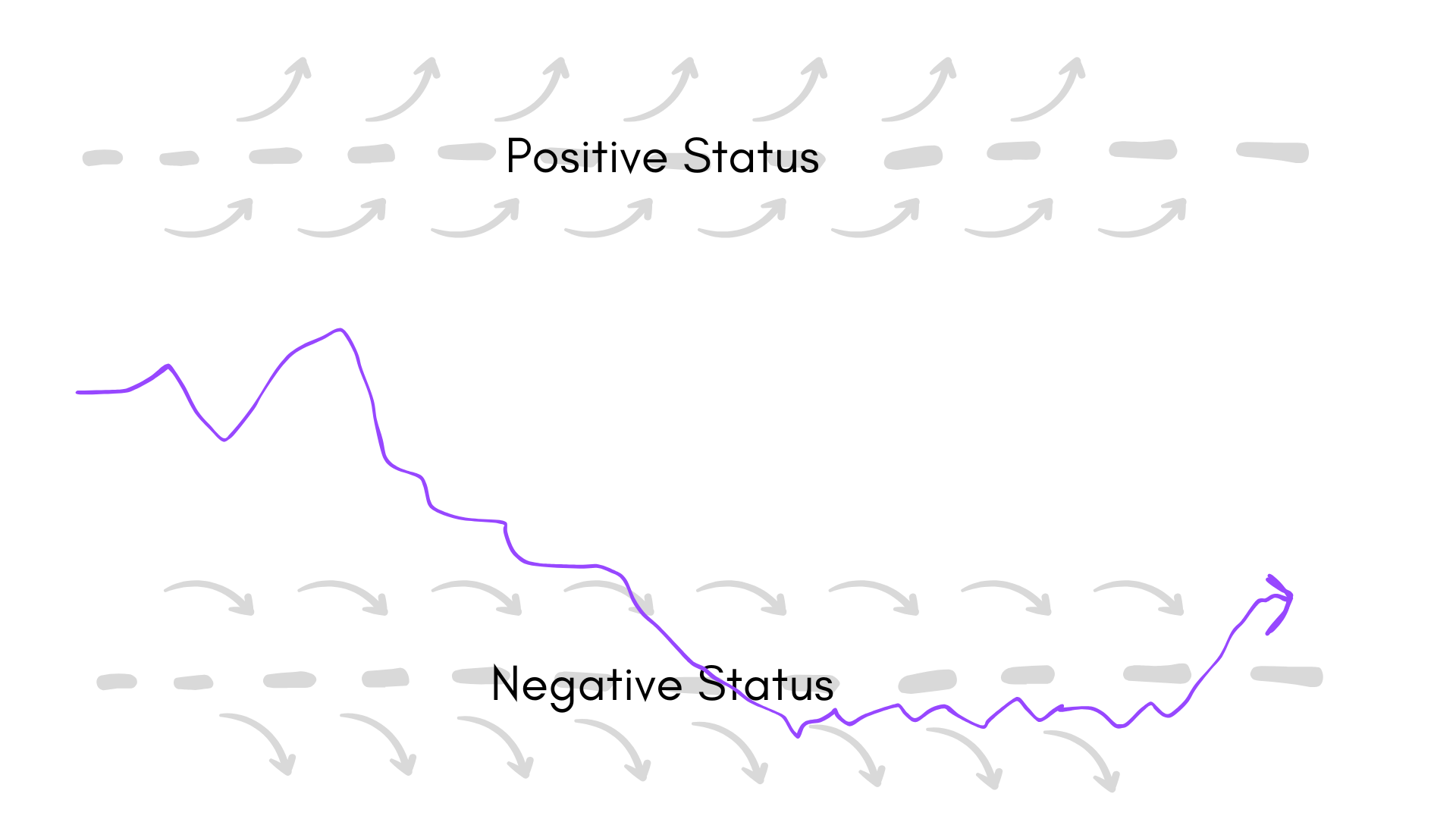
In a long friendship, kept promises and showing up when it matters build a groove of felt trust, and you start giving the benefit of the doubt almost without deciding to.
The same mechanism runs in reverse: small, individually forgettable disappointments accumulate until the pattern crosses a threshold and begins bending interpretation toward itself.
Past that point a neutral gesture reads as hollow and an honest explanation reads as an excuse—and even when you know intellectually that you're being unfair, the felt sense is what grounds how you read things.
These are grooves of confirmation: self-reinforcing interpretive channels created by accumulated patterns. The deeper the groove, the harder it is for any single instance to escape the pull of the pattern. And the more instances that get pulled into the pattern, the deeper it gets.
This is just how our minds work. Consider how words get their meaning. There is no predetermined groove for what “literally” means. There’s no gravity pulling it toward “figuratively.” And yet, through accumulated usage—through millions of instances feeding back into the pattern—that’s exactly what happened.
The word drifted, that drift created a groove, and now the groove is deep enough that using “literally” to mean “figuratively” barely registers as unusual.
No one decided this. There was no pre-existing attractor. The groove was carved just by the passage of time itself.
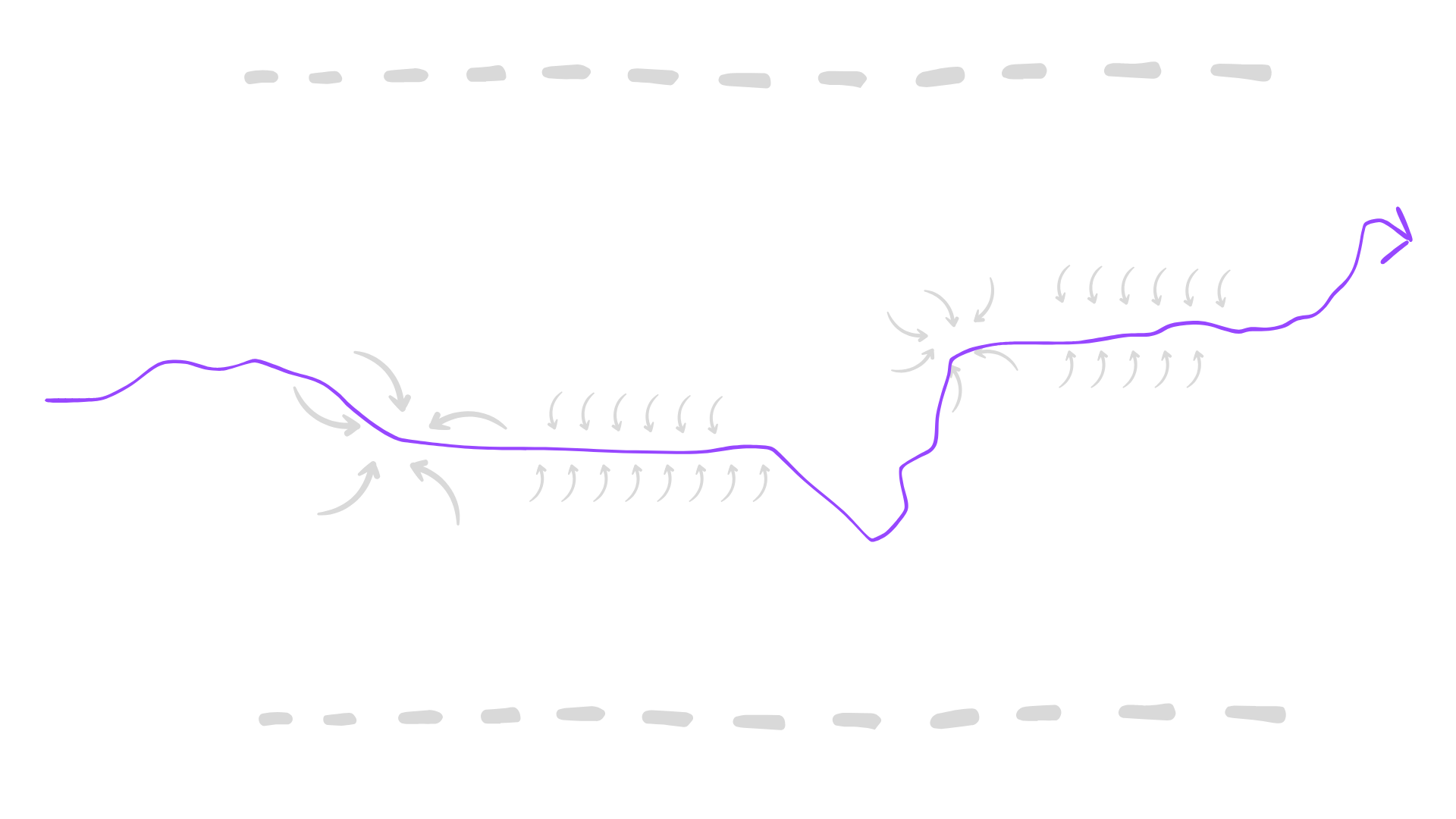
This is the more general case. And it’s the one that matters most for understanding how collaboration works, because most of the patterns that govern organizational life aren’t pre-labeled the way trust and distrust are.
They emerge from repeated interaction—from how decisions get made, how disagreements get handled, how enforcement does or doesn’t happen.
Here are some things that grooves of confirmation explain:
Why consistency is the most important thing when trying to establish a new pattern or change an old one.
Why consistency can waver later on, but still maintain the pattern. Once the groove has been established, momentum carries a lot.
Why a new rule gets read through the old groove. Its first instances land in terrain that’s already carved, so people interpret the new rule through the existing pattern. It’s why “we changed the rule” so often fails to change behavior.
Why letting something slide isn’t neutral. Every non-enforcement is itself an instance—a rule quietly ignored doesn’t stay put. That instance carves the groove just as much as enforcement does.
Why the same event lands differently for different people. Identical instances meet different accumulated grooves, so one person reads a decision as fair and another reads it as hostile. What looks like bad faith is often just two different grooves.
Why legitimacy is path-dependent. The same structure can feel binding in one group and dead-letter in another, depending on the history of instances each has accumulated. Nothing about the rule itself settles it.
Why first instances carry outsized weight. Before a groove exists, there’s no pattern bending interpretation, so early instances set direction cheaply. The same act costs far more to undo once the groove is deep.
Why grooves are hard to see from inside. The pattern shaping your interpretation is invisible because it is your interpretation. That’s why outside perspective helps and self-correction is so hard.
Why distrust spirals. A negative groove makes you check in less and pull away, which produces more ambiguous instances that then get read negatively. The mechanism feeds itself.
In truth, these findings fit what many people (and habit research) already know. But thinking of grooves of confirmation helps us make sense of it all, and helps us navigate things more easily. Rather than a loose set of insights, we can now get a better understanding of what might be going wrong, and what we could do to fix it.
Conclusion
This post builds on the Reflecting and Reinforcing Loop, which describes the general dynamic between a pattern and an instance. This article was about what happens when that loop runs long enough to reshape the landscape it’s operating in.
A rule on paper is only a proposed groove; nothing about writing it down carves it. What carves it is the accumulation of consistent instances, until the pattern runs deep enough to bend interpretation toward itself and following the rule is simply what feels normal.
Great explainer. Literally! ;-) Reminds me of Wilber's cosmic evolutionary grooves (in all quadrants).